Food is culture: because cooking means much more than just nourishment
Eating is a natural need. Cooking, however, is a cultural choice. This is one of the most profound ideas developed by food historian Massimo Montanari : food is not simply what nature offers, but what man chooses to transform through knowledge, technique, and tradition. Each culture decides what to eat, how to prepare it, when to share it, and with whom. For this reason, cooking is not just a daily practice, but one of the most authentic expressions of a people's identity.
From nature to culture
A fruit picked from a tree belongs to nature. A loaf of bread kneaded, baked, and shared belongs to culture. Between these two gestures lies the work of man: the choice of ingredients, the knowledge of techniques, the control of fire, and the desire to transform a necessity into an experience. According to Montanari, it is precisely this transformation that makes food a cultural phenomenon.
Fire as an instrument of civilization
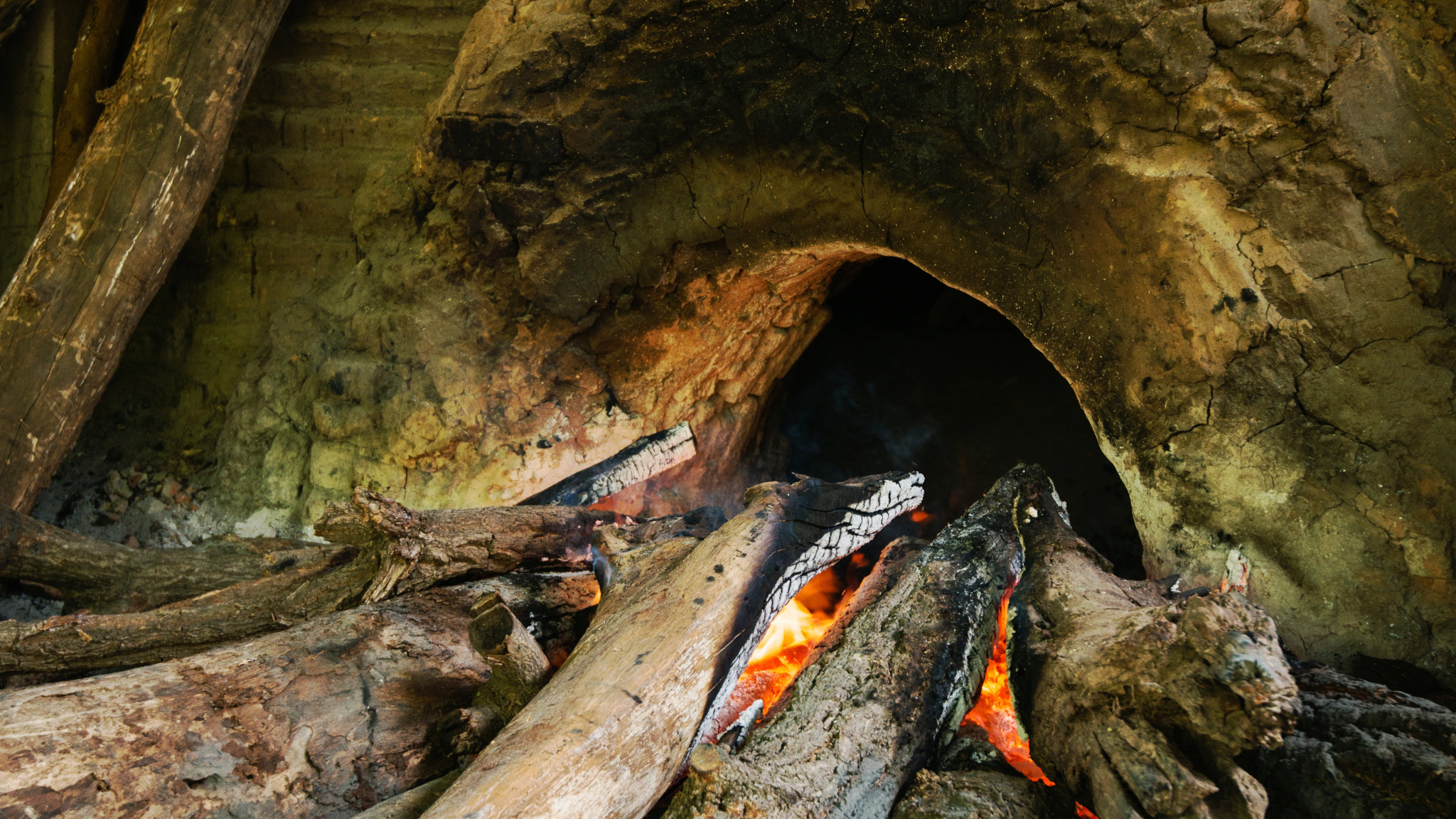
Fire isn't just for cooking. It allows us to change textures, develop aromas, preserve foods, and create new flavors. But above all, it brings people together. For thousands of years, the hearth has been the place in the home where we cook, tell stories, and build relationships. Even today, the outdoor kitchen retains this meaning: food becomes an opportunity for encounter, dialogue, and conviviality.
Italian cuisine is born from the territory
The Italian gastronomic tradition did not develop according to a single model. Each region developed its own cuisine using available raw materials, adapting cooking techniques to the environment, and showcasing what the land had to offer. Stone, wood, coal, ovens, fireplaces, and hearths have accompanied this evolution for centuries. It is precisely this connection between land, materials, and cuisine that makes Italian gastronomy so rich and recognizable around the world.
Stone as a kitchen material
Before steel and modern cooking surfaces, humans used natural materials capable of storing and distributing heat. Among these, stone played a fundamental role. Fire-heated stones allowed bread, meat, fish, and vegetables to be slowly cooked, taking advantage of uniform and progressive heat. Even today, stone remains one of the most fascinating materials for cooking, thanks to its ability to store energy and release it consistently.
Foku's philosophy
Foku was born from the desire to bring this cooking culture back to the forefront. Etna lava stone is more than just a durable material: it's a surface that accumulates heat and distributes it naturally, allowing for cooking that enhances ingredients and respects preparation times. This is why Foku doesn't just offer a cooking system. It offers a way to experience fire, the land, and conviviality through a profoundly Italian and Mediterranean sensibility. Because cooking means nourishing the body. But sharing food means building culture.
Sources:
Massimo Montanari, Hunger and Abundance: A History of Food in Europe , Laterza Publishers.
Massimo Montanari, Food as Culture , Laterza Publishers.